
Last updated: October 2026
"Where should I buy if I want to airbnb my house?" and "Is my area any good for Airbnb?" are two of the (many) questions we hear most. The usual answer online is a top five list with Noosa at number one... that’s not wrong, but it is not very useful either, because the best suburb for a two-bedroom apartment is rarely the best suburb for a big family home, and the highest nightly rate does not always mean the best result (as well as Noosa has the tighest STR restrictions and highest competition of all the suburbs, which factors in massively).
So we went through the market data we use for our own property analyses and compared around 40 suburbs, from Noosa Heads down to Pelican Waters and up into the hinterland. Here is what the numbers say, where they can mislead you, and how to use them.
Please read this first: This is general information based on third-party market data and our own experience as hosts. It is not financial or investment advice. The figures are suburb averages across all kinds of listings, good and bad, and they change over time. Your property could do better or worse. Please do your own due diligence, and speak with an accountant or financial adviser before you buy.
The short version
Occupancy is surprisingly even along the coast. Most beach suburbs sit between about 55% and 65% for a three-bedroom home. The big differences are in the nightly rate.
Noosa Heads leads on revenue, but doesn’t mean you’ll be successful there - It also has the highest buy-in and the strictest rules in the region.
The southern beaches are the steady performers. Caloundra, Currimundi, Warana, Golden Beach and Pelican Waters post some of the highest occupancy on the coast at more moderate rates, as they might often more likely attract medium term stays.
Property type matters as much as postcode. Two-bedroom apartments do best close to the sand and the restaurants. Large homes earn far more per night but book less evenly as people don’t need more bedrooms most of the time.
The hinterland rewards the property, not the suburb. Averages there hide a wide gap between a special unique stay/experience and an ordinary one. As do many other suburbs, but hinterland shows this loud and clear.
The toughest spots are remote pockets, inland towns, new housing estates, and any street where the planning rules do not support short stays, no matter how good the demand looks.
How we compared the suburbs
Where do the numbers come from?
The figures come from AirDNA market data, pulled in July 2026 and covering the previous twelve months. AirDNA tracks listings on Airbnb and Vrbo. We have rounded everything, because the point is the comparison between suburbs, not the last dollar.
What do occupancy, nightly rate and revenue mean here?
Occupancy is the share of available nights that were booked.
Average nightly rate is what guests paid per booked night, averaged across the year.
Indicative gross revenue is simply occupancy x nightly rate x 365. It is booking income before cleaning, platform fees, management, linen, insurance, rates and everything else. It is not profit.
Why use a three-bedroom home as the yardstick?
It is the most common size across the region, so it gives the fairest like-for-like comparison. We have added two-bedroom and four-bedroom revenue alongside so you can see how each suburb changes with size.
Why do other websites show different numbers?
Every data provider counts differently. Some include every listing, even ones that are barely available, which pulls occupancy down into the 40s. Others only count full-time listings. Treat any single number as a guide and compare suburbs within the same source, as we have here.
The coastal comparison
Sorted by indicative gross revenue for a three-bedroom home, highest first.
| Suburb | Council | 2-bed gross | 3-bed occupancy | 3-bed nightly rate | 3-bed gross | 4-bed gross |
|---|---|---|---|---|---|---|
| Noosa Heads | Noosa | $73k | 58% | $455 | $96k | $151k |
| Point Arkwright | Sunshine Coast | $49k | 60% | $345 | $76k | $97k |
| Sunshine Beach | Noosa | $59k | 56% | $335 | $68k | $136k |
| Noosaville | Noosa | $49k | 61% | $295 | $65k | $105k |
| Bokarina | Sunshine Coast | $47k | 61% | $290 | $65k | $67k |
| Sunrise Beach | Noosa | $44k | 57% | $310 | $64k | $101k |
| Yaroomba | Sunshine Coast | $34k | 65% | $270 | $64k | $74k |
| Coolum Beach | Sunshine Coast | $45k | 60% | $280 | $61k | $79k |
| Peregian Beach | Noosa | $43k | 53% | $310 | $60k | $59k |
| Marcoola | Sunshine Coast | $40k | 58% | $275 | $59k | $89k |
| Twin Waters | Sunshine Coast | $51k | 59% | $270 | $58k | $86k |
| Marcus Beach | Noosa | $45k | 48% | $325 | $57k | $94k |
| Warana | Sunshine Coast | $48k | 64% | $240 | $57k | $75k |
| Golden Beach | Sunshine Coast | $48k | 62% | $250 | $56k | $80k |
| Mooloolaba | Sunshine Coast | $46k | 56% | $275 | $56k | $88k |
| Caloundra | Sunshine Coast | $49k | 63% | $240 | $56k | $90k |
| Mudjimba | Sunshine Coast | $37k | 63% | $240 | $55k | $80k |
| Moffat Beach | Sunshine Coast | $42k | 62% | $240 | $54k | $73k |
| Currimundi | Sunshine Coast | $43k | 66% | $225 | $54k | $71k |
| Buddina | Sunshine Coast | $44k | 59% | $250 | $53k | $92k |
| Kings Beach | Sunshine Coast | $44k | 61% | $235 | $53k | $74k |
| Pelican Waters | Sunshine Coast | $44k | 68% | $210 | $53k | $90k |
| Alexandra Headland | Sunshine Coast | $43k | 55% | $260 | $52k | $84k |
| Mount Coolum | Sunshine Coast | $38k | 58% | $240 | $51k | $84k |
| Dicky Beach | Sunshine Coast | $46k | 52% | $265 | $51k | $77k |
| Maroochydore | Sunshine Coast | $43k | 61% | $225 | $50k | $74k |
| Buderim | Sunshine Coast | $37k | 65% | $210 | $50k | $67k |
| Tewantin | Noosa | $36k | 61% | $195 | $43k | $77k |
| Noosa North Shore | Noosa | $22k | 29% | $275 | $29k | $51k |
Source: AirDNA market data, twelve months to July 2026, rounded. Gross revenue is before all costs. Point Arkwright is a small pocket with few listings, so treat it with care.
What stands out in the coastal numbers?
First, look at the occupancy column. Take out Noosa North Shore and almost everything sits within about ten points of 60%. Guests are spread fairly evenly along the coast. What separates the top of the table from the bottom is what those guests will pay per night.
Second, the gap between suburbs widens with size. For a two-bedroom, most beach suburbs land between about $40k and $50k gross. At four bedrooms the range runs from under $60k to over $150k. The bigger the home, the more the suburb matters.
Why some suburbs outperform others
The table shows what happened. This is our read on why. Six things explain most of the difference between the top and the bottom.
1. How close is it to the sand, coffee and dinner?
Holiday guests pay the most for places where they can park the car and forget about it. The highest rates in the table belong to suburbs with a beach and a dining strip within a short walk: Noosa Heads, Sunshine Beach, Coolum Beach, Mooloolaba. One suburb back from the water, rates drop quickly. Compare Coolum Beach at about $280 a night with Mount Coolum at about $240, or Noosaville at $295 with Tewantin at $195.
2. Is the suburb a destination in its own right?
Noosa is a national brand. People fly in for a week and plan the trip around it, which supports high rates and longer stays. Most other suburbs are booked as "somewhere on the Sunshine Coast", so guests compare them with each other and price matters more. That is why Noosa Heads can charge roughly 60% more than Mooloolaba for a similar-sized home at similar occupancy.
3. Who is the guest, and how far are they travelling?
The southern beaches are about an hour from Brisbane. That drive market fills weekends, long weekends and school holidays without much effort, which is why Caloundra, Currimundi, Warana and Pelican Waters post the highest occupancy on the coast. The trade-off is that drive-in guests book shorter stays and are more price aware, so rates stay moderate. Suburbs near the airport, such as Marcoola, Mudjimba and Twin Waters, pick up interstate guests as well.
4. How much competition is there, and can more be added?
Supply matters as much as demand. In Noosa, the rules make it very hard to add new short stays in residential streets, so existing approved properties are protected from a flood of new competition and rates hold up. In apartment-heavy suburbs such as Mooloolaba, Maroochydore and Kings Beach, there are many similar units, often with an on-site manager letting a pool of them. Guests have plenty of choice, and that keeps a lid on rates.
5. Does the housing match the guest?
Each suburb has a typical guest, and properties that suit that guest do best. Families book houses in Marcus Beach, so small properties there sit empty. Couples book Peregian Beach, so a fourth bedroom adds little. Pelican Waters is full of large canal homes, and its larger homes fill close to 70% of the time while its two-bedroom properties struggle. Before you buy, look at what the top-performing listings in that suburb have in common.
6. Is there a reason to visit all year?
Suburbs with more than one source of demand hold up better in the quiet months. Maroochydore and Buderim draw business travellers, hospital and university visitors and people visiting family, so occupancy stays healthy even though rates are modest. Calm-water spots such as Noosaville, Golden Beach and Cotton Tree suit young families and older travellers outside the summer peak. Events help too: triathlons in Noosa and Mooloolaba, markets in Eumundi, and wedding season in the hinterland.
The pattern in one line: Rate follows desirability and scarcity. Occupancy follows convenience. The suburbs at the top of the table have both.
The best performers
Which suburbs earn the most overall?
Noosa Heads, Sunshine Beach and Noosaville. Noosa Heads is the only suburb where a three-bedroom averages above $450 a night, and it leads at two and four bedrooms as well. Sunshine Beach is close behind for apartments and large homes. Noosaville is the quiet achiever of the three, with slightly lower rates and slightly higher occupancy thanks to the river, the restaurants and flat walking streets.
The catch is the cost of getting in and the rules once you are there. Noosa has the highest property prices in the region, an annual local law approval, and planning rules that rule out new short stays in many residential streets. A high gross figure on a very expensive property can still be a modest return.
Where is occupancy most reliable?
The southern beaches. Pelican Waters, Currimundi, Warana, Caloundra, Golden Beach and Moffat Beach all sit at 62% to 68% for a three-bedroom home, which is higher than Noosa Heads. Nightly rates are lower, around $210 to $250, but bookings are steady and buy-in prices are generally well below Noosa. These suburbs are an easy drive from Brisbane, which helps fill weekends and school holidays.
Which suburbs suit a two-bedroom apartment?
For apartments, the winners are walk-to-everything locations. Noosa Heads is the standout at roughly $73k gross, then Sunshine Beach at about $59k. After that comes a tight group at $46k to $51k: Twin Waters, Caloundra, Noosaville, Warana, Golden Beach, Bokarina, Mooloolaba and Dicky Beach. Several of those cost a good deal less to buy into than Noosa, which is where the value sits.
One caution with apartments. Check what the building is approved for and whether there is an on-site manager with letting rights. Both affect what you can do and who you compete with.
Which suburbs suit a large family home?
Four-bedroom homes show the biggest spread. Noosa Heads (about $151k gross) and Sunshine Beach (about $136k) are in a league of their own, with Noosaville and Sunrise Beach both above $100k. Outside Noosa, the strongest large-home suburbs are Buddina, Caloundra, Pelican Waters, Marcoola, Mooloolaba and Twin Waters, all around $86k to $92k.
Large homes come with larger swings. They book heavily in school holidays and long weekends and can sit empty midweek in winter. Cleaning, linen and wear and tear are also higher, so the gap in profit is smaller than the gap in gross revenue.
Which suburbs are the quiet achievers?
A few suburbs perform better than their profile suggests: Bokarina and Warana on the Kawana strip, Yaroomba and Marcoola north of the airport, and Twin Waters. Each pairs solid occupancy with rates close to the better-known names next door.
[PHOTO: apartment balcony or beachfront street, Mooloolaba, Kings Beach or Coolum]
The hinterland
| Suburb | Council | 3-bed occupancy | 3-bed nightly rate | 3-bed gross |
|---|---|---|---|---|
| Tinbeerwah | Noosa | 54% | $515 | $102k |
| Doonan | Noosa | 56% | $385 | $79k |
| Montville | Sunshine Coast | 51% | $350 | $65k |
| Mapleton | Sunshine Coast | 43% | $350 | $55k |
| Maleny | Sunshine Coast | 56% | $270 | $55k |
| Eumundi | Sunshine Coast | 62% | $210 | $47k |
| Cooroy | Noosa | 48% | $265 | $47k |
| Palmwoods | Sunshine Coast | 57% | $180 | $37k |
| Landsborough | Sunshine Coast | 54% | $185 | $37k |
| Flaxton | Sunshine Coast | 38% | $250 | $35k |
| Yandina | Sunshine Coast | 49% | $185 | $33k |
Source: AirDNA market data, twelve months to July 2026, rounded. Hinterland suburbs have far fewer listings than the coast, so a handful of properties can move the average a long way.
Does Airbnb work in the hinterland?
Yes, but differently. On the coast, guests book a location and then choose a property. In the hinterland, guests book the property itself: the view, the fireplace, the bath on the deck. That is why Montville and Mapleton show nightly rates around $350, as high as Sunshine Beach, with lower occupancy. Tinbeerwah and Doonan top the table for the same reason. They are acreage suburbs with a small number of high-end homes.
Our own stays are in Montville, so we see this first hand. A considered, well-presented hinterland stay can sit well above the suburb average. A standard house on a hinterland street will often sit below it. The average tells you very little about either.
Hinterland stays are also weekend heavy. Friday and Saturday fill easily. Midweek takes more work.
[PHOTO: hinterland cabin or view, Montville or Maleny]
The toughest suburbs, and why
"Tough" does not mean "never". It means the average result is harder to achieve, or that something other than demand gets in the way.
Which locations have the weakest demand?
Remote pockets. Noosa North Shore sits at around 29% occupancy. It is beautiful, but the ferry and four-wheel-drive access narrow the pool of guests.
Inland service towns. Places like Nambour, Yandina, Landsborough and Palmwoods are lovely to live in, but they are not where most holidaymakers search. Three-bedroom homes there sit around $33k to $37k gross, roughly half of a mid-table beach suburb. At that level a long-term tenant may well be the better option.
Residential suburbs set back from the beach. Buderim, Tewantin and Mount Coolum fill reasonably well, but at lower rates than their beachside neighbours.
What about new estates and inland suburbs like Aura, Caloundra West, Nambour and Buderim?
These are great places to live. They are just not where tourists want to stay. A holiday guest searching the Sunshine Coast is picturing a beach, a view or a village, and a house in a master-planned estate or an inland town offers none of those, however new and well finished it is.
| Suburb | 3-bed occupancy | 3-bed nightly rate | 3-bed gross | 4-bed gross |
|---|---|---|---|---|
| Caloundra (for comparison) | 63% | $240 | $56k | $90k |
| Bells Creek (Aura) | 72% | $200 | $53k | $61k |
| Caloundra West | 66% | $200 | $48k | $50k |
| Buderim | 65% | $210 | $50k | $67k |
| Nambour (2-bed) | 53% | $115 | $22k | too few listings |
Source: AirDNA market data, twelve months to July 2026, rounded. Very few listings in the estates, so treat these as a rough guide.
The numbers tell an interesting story. These homes do get booked, sometimes more often than beach suburbs. But look at who is booking and what they pay. The guests are mostly people visiting family, relocating, between houses, or working nearby. They need a bed, not a holiday, so they choose on price. That is why the nightly rate sits around $200 and barely rises for a bigger home. A four-bedroom house in Caloundra West grosses about $50k, a little over half of what the same size earns ten minutes away in Caloundra itself.
Buderim is the partial exception. It is central, established, and close to the hospital and university, so it fills well. It still earns less than the beach suburbs either side of it, and most of its streets are zoned low density residential. Nambour sits at the bottom: a two-bedroom there grosses about $22k, and larger homes barely register.
Three things make these suburbs tougher than the occupancy figure suggests:
The long-term rental comparison is close. Family homes in these areas rent easily to long-term tenants. Once you take cleaning, fees, furnishing and your time off the short-stay figure, there may be little or nothing extra left.
There is no ceiling to chase. At the beach, a better fit-out and better photos can lift your rate well above the suburb average. In an estate, guests will not pay a premium for styling when the location is the limit.
The rules are rarely on your side. Most estate and suburban streets are residential zones that do not support new short stays, and Aura sits within a state development area with its own planning rules. Check before you assume.
If you already own in one of these suburbs, a short stay can still work for the right property, especially a smaller, well-priced one aimed at family visitors and workers. Just go in expecting steady, modest income, not beach-suburb returns.
Where does the wrong property type struggle?
Small properties in big-home suburbs. In Marcus Beach, two-bedroom occupancy is only about 34%. Guests there are looking for houses.
Big homes where families do not book. In Peregian Beach, a four-bedroom earns about the same gross as a three-bedroom, so the extra bedroom adds cost without adding income.
Ordinary homes in "special stay" suburbs. Flaxton and Mapleton show three-bedroom occupancy around 40%. Without a real point of difference, hinterland homes can sit empty.
Where do the rules make it tough?
This is the one that catches people out. A suburb can have excellent demand and still be the wrong place to buy, because the planning rules do not support a new short stay on that street. That applies to most low density residential streets under Sunshine Coast Council, and to much of residential Noosa. Always check the rules for the exact property before you look at the revenue. Our guide, Sunshine Coast Airbnb Rules 2026: What You Actually Need to Know Before You List, walks through how.
Where is the competition strongest?
The busiest markets are also the most crowded. Noosa Heads alone has around a thousand active listings. In suburbs with many near-identical apartments, guests compare on price, so styling, photos, reviews and pricing strategy do more of the work.
The outliers: why the property can matter more than the postcode
Can a unique property beat the suburb average?
Yes, and often by a long way. Every figure in this guide is an average across all kinds of listings, and averages hide the outliers. In almost every suburb there are a handful of properties sitting well above the numbers, and they usually have one thing in common: they are a reason to book in themselves.
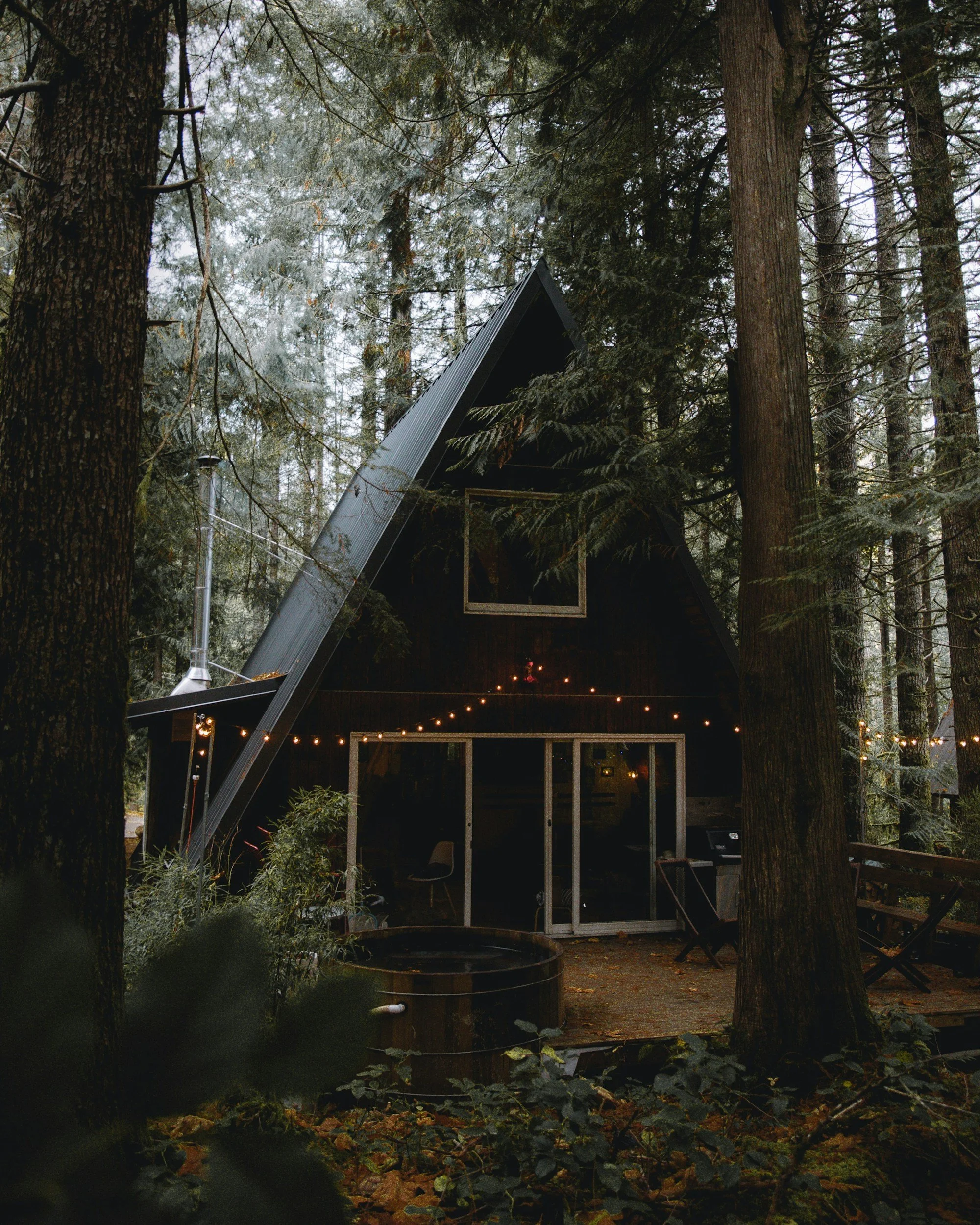
Think of the A-frame in the trees, the converted barn, the cabin with the outdoor bath and the view. Guests are not searching for a suburb and then choosing a bed. They are searching for that stay, and they will travel to wherever it happens to be. This is the "build it and they will come" effect, and it is real. A truly distinctive property can hold strong occupancy and a premium nightly rate in a location the data says is ordinary, because it is not really competing with the listings around it.
A word of caution, though. Unique has to mean something to the guest, not just to the owner. A feature wall is not a point of difference. A memorable setting, a considered design and an experience people want to photograph and tell their friends about is.
What is the ideal combination?
A unique property in a well-suited suburb. The suburb gives you the baseline: steady demand, the right guest, a reason to visit all year. The property gives you the lift above it. When both line up, you are not relying on one to carry the other, and that is where the standout results come from.
If you can only have one, a remarkable property in a modest location will often do better than a forgettable property in a famous one. But the strongest position is having both.

Can a good property in a good suburb still underperform?
It can, and this is the flip side that gets overlooked. Outliers exist below the average as well as above it, and most of them are not bad properties. They are good properties, poorly managed.
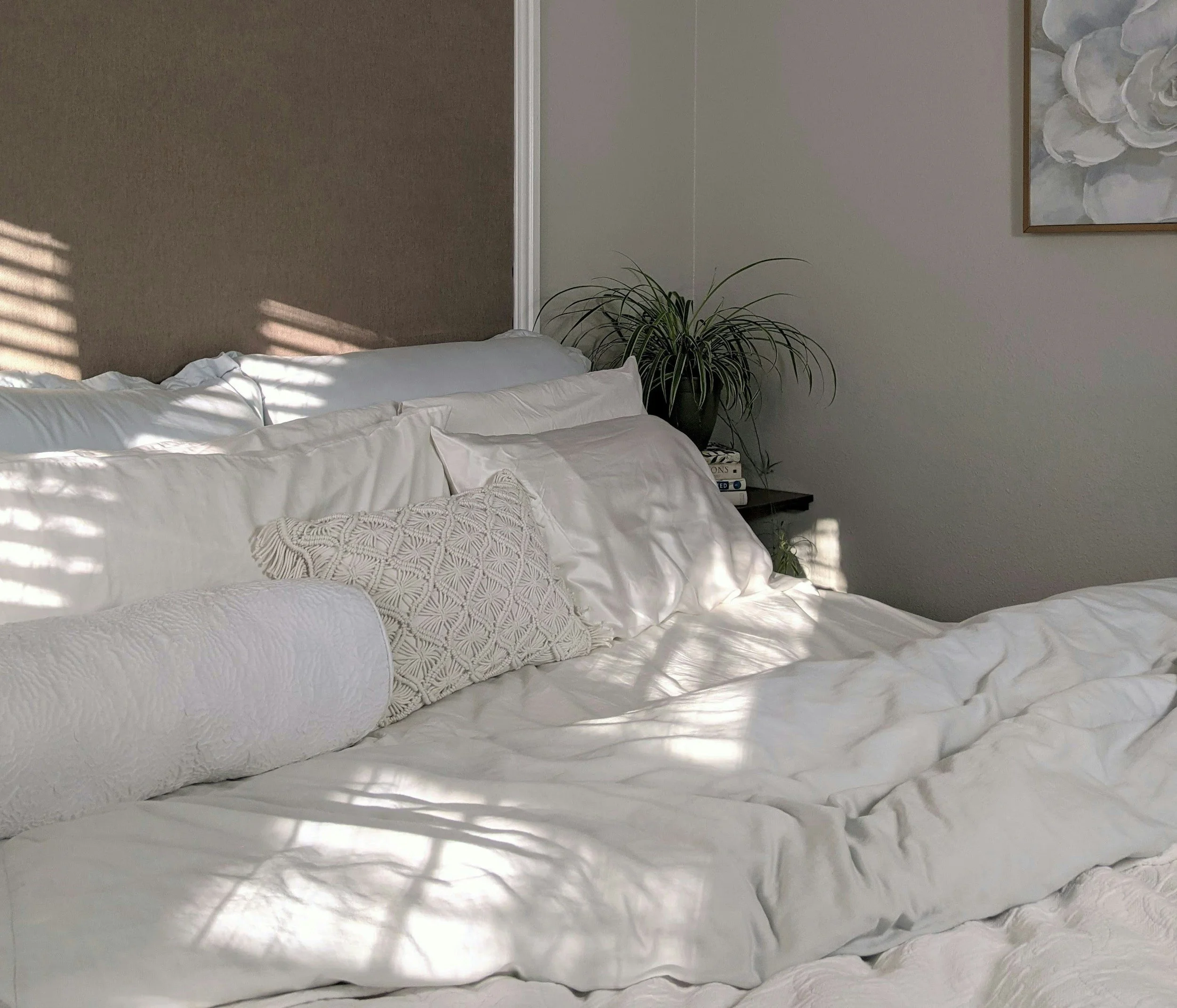
It is rarely one big failure. It is the little things: a clean that was nearly right, a slow reply to a message, a dripping tap, tired linen, check-in instructions that left someone standing in the driveway in the dark. Each one seems minor, but each one can cost a star, and the stars add up. A property sitting at 4.6 looks very different to a guest than one at 4.9, and the platforms notice too. Lower ratings mean lower placement in search, fewer views, fewer bookings and more pressure to discount. Occupancy slips, and the owner is left wondering why the suburb "isn't performing".
So when you read the numbers in this guide, treat them as the middle of the range, not the ceiling or the floor. The suburb sets the starting point. The property and the way it is run decide where you land.
Performance is not the whole picture
What else should you weigh up besides revenue?
| Factor | Why it matters |
|---|---|
| Purchase price | A suburb that grosses $96k on a very expensive home can return less, as a percentage, than one that grosses $55k on a far cheaper one. Compare revenue with what the property costs to buy and hold. |
| Rules | Zone, existing approvals and, in Noosa, the local law. If the use is not lawful, the revenue is not real. |
| Running costs | Cleaning, linen, platform fees, management, insurance, council rates, utilities and maintenance. Larger homes and homes with pools cost more to run. |
| Seasons | Summer, Easter and school holidays are the peak. February and midwinter are the quiet months. Southern suburbs lean on Brisbane weekenders, and Noosa draws more interstate guests. |
| Your own use | Blocking the best weeks for yourself removes the most valuable nights of the year. |
| The property itself | Within one suburb, the gap between an average listing and a well set up one is often bigger than the gap between two suburbs. |
How do you choose the right suburb for you?
Start with the rules. Shortlist only the properties where short stays are lawful or can be approved.
Match the property type to the suburb. Apartments near the sand, family homes where families book, special stays in the hinterland.
Compare revenue with the purchase price, not on its own.
Work out the costs honestly, then compare the result with a long-term lease.
Look at the three or four best listings in that suburb. That is your real competition, and your real ceiling.
Not sure if your place is worth Airbnb-ing?
That is exactly what we help with. If you are weighing up a property you already own, or one you are thinking of buying, reach out to us. We will look at the suburb, the property itself and what it would take to run it well, and give you an honest read on whether short-stay is worth it. Sometimes the answer is no, and we will tell you that too.
Quick answers
What is the best suburb for Airbnb on the Sunshine Coast?
On revenue alone, Noosa Heads, followed by Sunshine Beach and Noosaville. On steady occupancy and a lower buy-in, the southern beaches such as Caloundra, Currimundi, Warana and Golden Beach.
What is a good Airbnb occupancy rate on the Sunshine Coast?
For an established, full-time listing in a beach suburb, around 55% to 65% across the year is typical. A well-run listing can sit above its suburb average.
Is Noosa or Mooloolaba better for Airbnb?
Noosa Heads earns more per night at every size. Mooloolaba costs less to buy into and has simpler rules. Which is "better" depends on your budget and the specific property.
Is the hinterland good for Airbnb?
It can be very good for distinctive properties such as cabins, cottages and homes with a view. It is harder for standard houses.
Does a higher nightly rate mean more profit?
Not always. Higher rates usually come with a higher purchase price and higher running costs. Compare the whole picture.
We are hosts, not financial advisers or town planners. Everything here is general information from market data and our own experience, and your property may differ. Please get advice for your own situation before you buy or list.